Millions of people obsess over the popping, cracking, and stiffness in their finger joints and for some, that fixation crosses into genuine psychological distress. Whether it’s a parent’s old warning that cracking knuckles causes arthritis or an anxiety spiral triggered by joint pain, the intersection of finger health and mental well-being is more significant than most realize.
Symptoms of Eye Migraines Your Vision Is Telling You
Key Takeaways
- Cracking your finger joints does not cause arthritis, according to multiple peer-reviewed studies, but the fear that it does can fuel real anxiety.
- Conditions like arthrophobia (fear of joint disease) and health anxiety often center on finger joint sensations.
- Simple cognitive and physical strategies can reduce both the discomfort and the psychological distress tied to joint fixation.
What Actually Happens When Finger Joints Pop?
Let’s settle the science first.
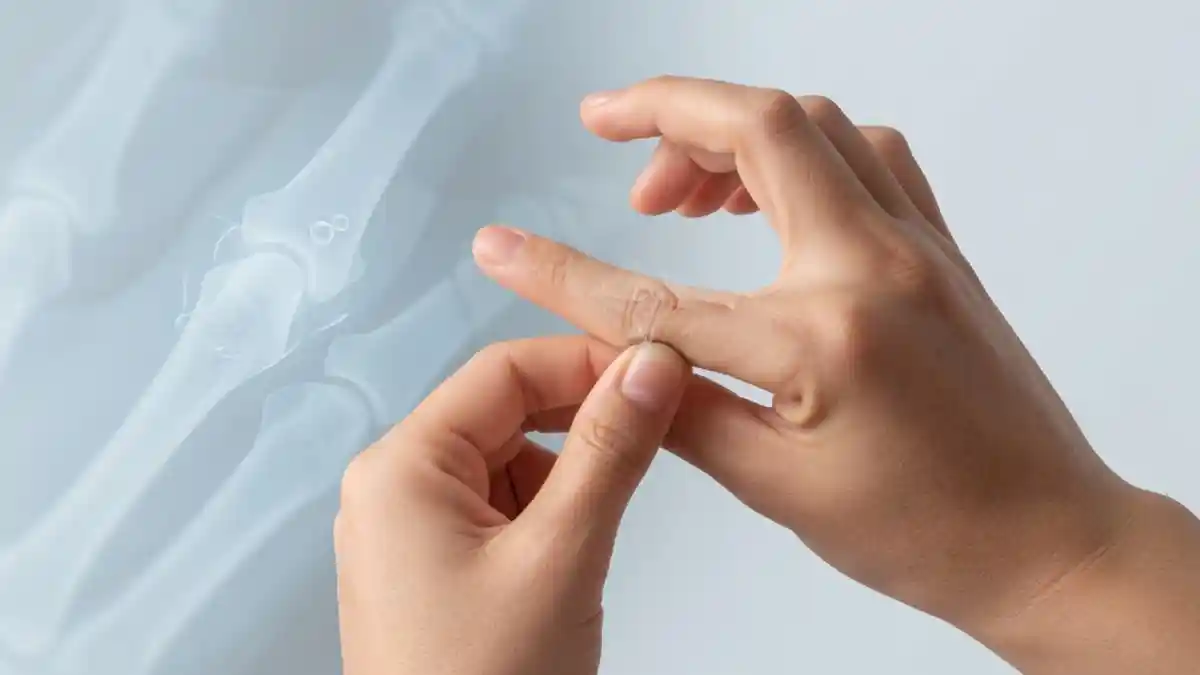
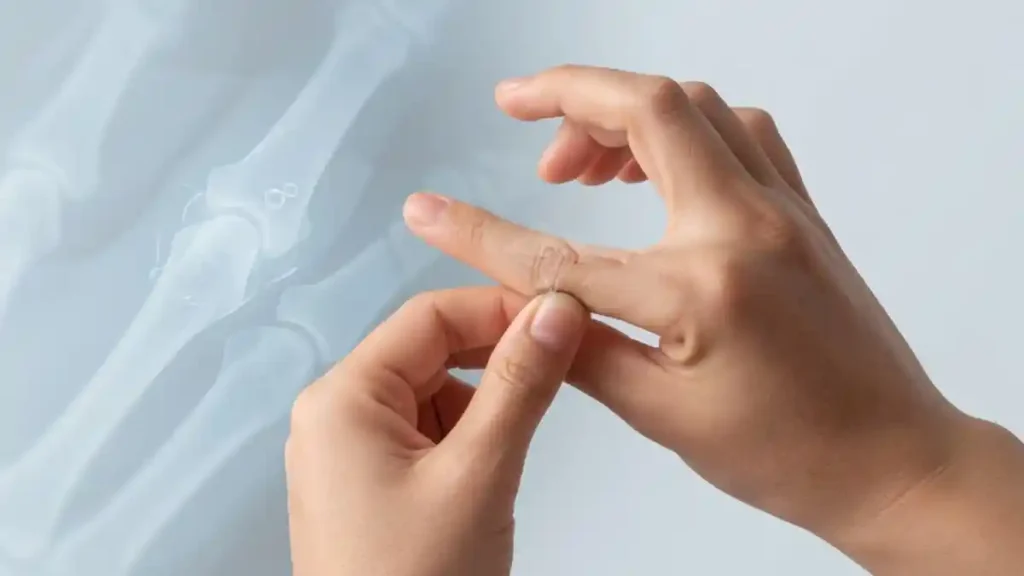
The popping sound you hear comes from gas bubbles collapsing inside synovial fluid, the lubricant between your joints.
A landmark 2015 study published in PLOS ONE used real-time MRI to confirm this mechanism, effectively debunking decades of speculation (PLOS ONE, 2015).
Our analysis suggests the myth persists largely because the sound itself triggers unease a phenomenon psychologists link to misophonia and health-related hypervigilance.
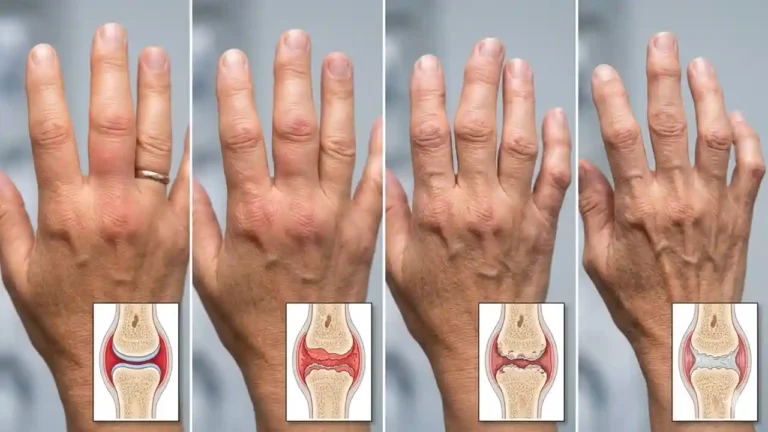
According to the Arthritis Foundation, there is no clinical evidence connecting habitual knuckle cracking to joint damage or osteoarthritis.
Scratched Cornea Means for Your Eyes and Mind
How Does Fear of Joint Problems Affect Mental Health?
If you’ve been following psychology trends, this won’t come as a surprise: health anxiety is surging, and finger joints are a surprisingly common focal point.
People with illness anxiety disorder (formerly hypochondria) often fixate on body parts they can see and feel.
Fingers are perfect targets always visible, always moving, always producing small sensations that a worried mind can interpret as disease.
Industry insiders in behavioral health are noting a sharp rise in patients presenting with arthrophobia, an intense, irrational fear of developing joint disease.
The American Psychological Association reports that specific health phobias can be as debilitating as generalized anxiety disorder when left untreated.
| Condition | Primary Symptom | Relation to Finger Joints |
|---|---|---|
| Arthrophobia | Irrational fear of joint disease | Direct — patients monitor joint sounds and stiffness obsessively |
| Health Anxiety (IAD) | Persistent belief one is seriously ill | Finger joints serve as a “checking” site |
| OCD (somatic subtype) | Repetitive body-focused behaviors | Compulsive cracking or avoidance of movement |
| Misophonia | Distress triggered by specific sounds | Joint popping sounds provoke intense discomfort |
Can Fixating on Finger Joints Become a Compulsion?
Yes — and it’s more common than you might think.
We found that somatic OCD frequently involves repetitive checking of finger joints for swelling, asymmetry, or reduced range of motion.
The International OCD Foundation classifies this as a body-focused obsession, where the compulsion is the checking behavior itself.
Each “check” temporarily reduces anxiety but reinforces the cycle long-term.
This creates a feedback loop: notice a sensation, feel fear, check the joint, feel brief relief, then notice another sensation.
Post Hospital Care Means for Your Recovery
What Steps Can You Take Right Now?
Our team observed that the most effective interventions combine physical joint care with psychological tools.
Here’s a step-by-step approach:
Step 1: Educate yourself with credible sources.
Read peer-reviewed material from the National Institutes of Health (NIH) to separate fact from fear.
Step 2: Track your checking behavior.
Log every time you crack, stretch, or examine your finger joints. Awareness precedes change.
Step 3: Practice response prevention.
When you feel the urge to check, delay by 10 minutes. The anxiety will peak and then naturally decrease.
Step 4: Strengthen your hands intentionally.
The Mayo Clinic recommends gentle range-of-motion exercises to maintain healthy finger joints without obsessive monitoring.
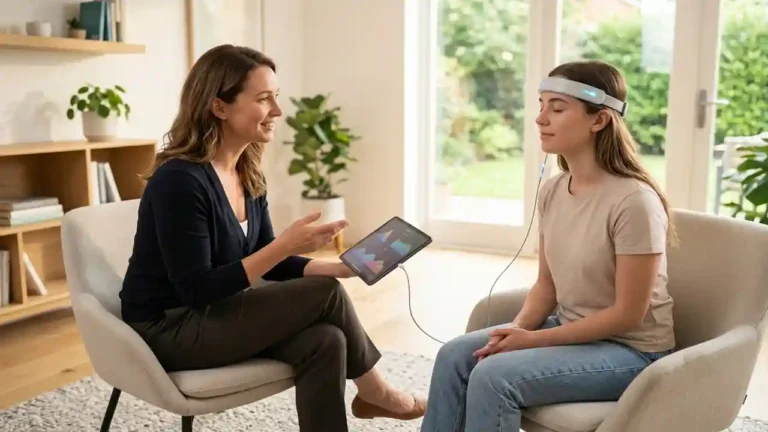
Step 5: Consult a CBT-trained therapist.
Cognitive behavioral therapy, specifically exposure and response prevention (ERP), is the gold standard for health-related phobias, per NIMH guidelines.
Lip Tie Baby Every Parent Must Know
How Will This Impact You?
Most people who crack their finger joints have nothing to worry about physically.
The real risk lives in the psychological space where normal sensations get filtered through a lens of catastrophic thinking.
Understanding that your finger joints are remarkably resilient is the first step toward breaking the anxiety cycle.
If fear of joint damage is limiting your daily life, that itself is the condition worth treating.
More Info to Visit ombrophobes