Millions of people delay critical dental treatment every year because of one nagging question: does a root filling hurt?
That fear isn’t irrational it’s rooted in decades of cultural conditioning, outdated medical practices, and genuine phobia.
But modern evidence tells a dramatically different story, and our team set out to separate fact from anxiety-driven fiction.
What Does It Mean When You Dream About Someone
Key Takeaways:
- Modern anesthesia means most patients report less pain during a root filling than during a standard cavity repair.
- Dental phobia affects roughly 36% of the population, according to research published in the British Dental Journal.
- Psychological preparation not just numbing gel is now considered the frontline defense against procedural fear.
Why Does This Question Trigger So Much Anxiety?
If you’ve been following psychology and phobia trends, this won’t come as a surprise.
The question does a root filling hurt is one of the most searched dental-related health queries globally.
It reveals something deeper than curiosity it signals anticipatory anxiety, a well-documented psychological response.
According to the American Psychological Association, anticipatory anxiety causes people to experience pain before it even exists.
The brain essentially rehearses worst-case scenarios, amplifying fear beyond what the actual procedure warrants.
Our analysis suggests this is why dental phobia formally called odontophobia ranks among the top ten most common specific phobias worldwide.
Healthy Dinner Recipes for Two Boost Mental Health
What Actually Happens During a Root Filling?
Understanding the procedure dismantles much of the fear.
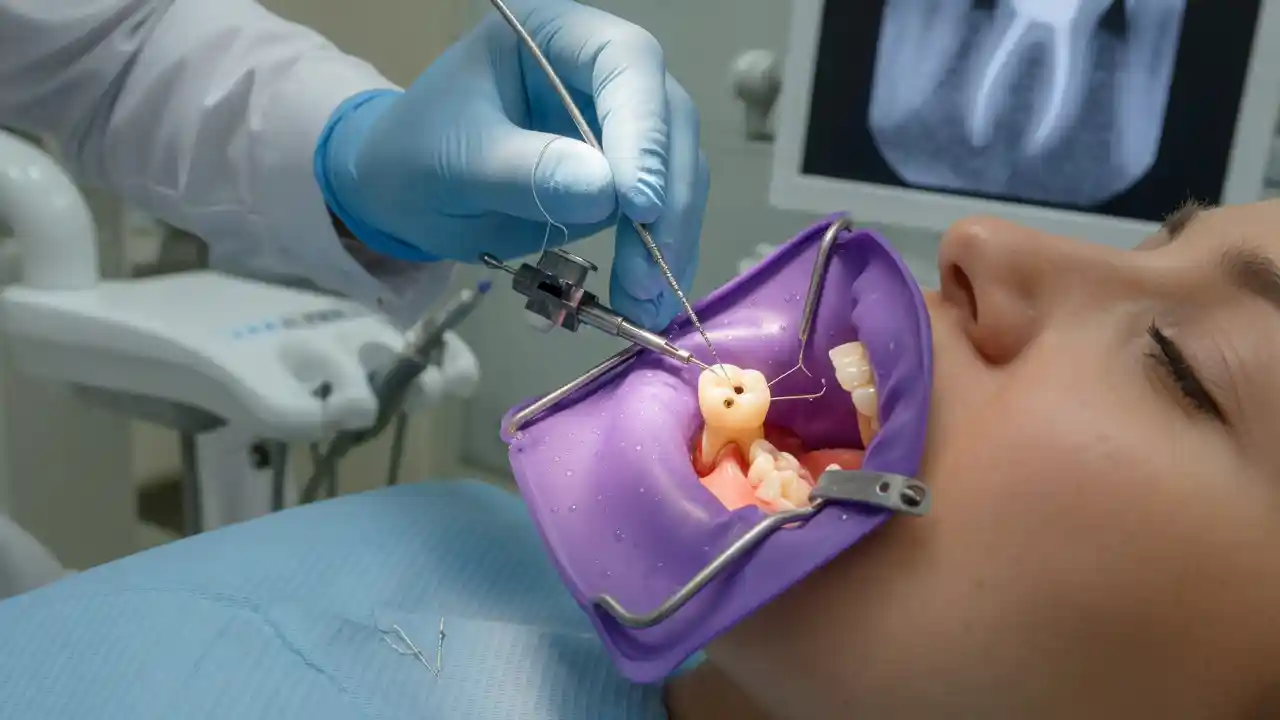
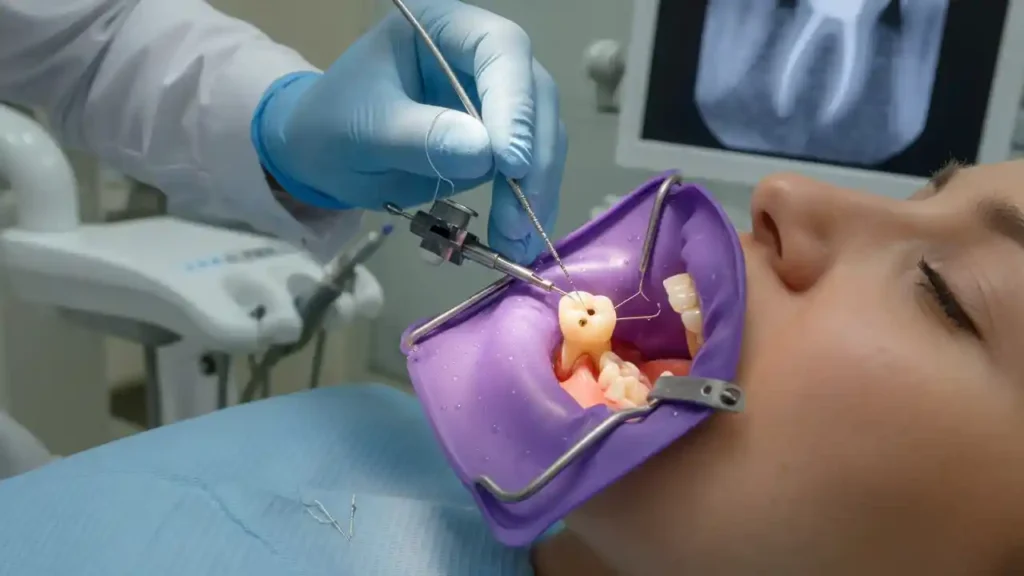
Here’s a clear, step-by-step breakdown:
- Diagnosis and X-ray: Your dentist identifies the infected or damaged pulp inside the tooth using imaging.
- Local anesthesia: A numbing agent is injected around the affected tooth, blocking nerve signals entirely.
- Pulp removal: The dentist opens the crown of the tooth and removes the infected tissue.
- Canal cleaning: Each root canal is shaped, cleaned, and disinfected.
- Filling and sealing: The empty canals are filled with a biocompatible material called gutta-percha and sealed.
- Restoration: A crown or permanent filling is placed to restore the tooth’s function.
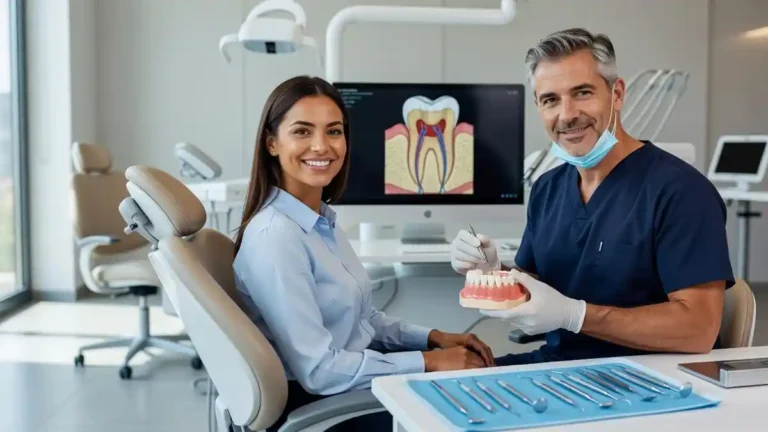
The National Health Service (NHS) confirms that the procedure is carried out under local anesthesia and should feel no different from having an ordinary filling placed.
Does a Root Filling Hurt More Than Other Dental Work?
This is where data matters more than anecdote.
| Procedure | Average Pain Rating (1–10) | Duration | Recovery Discomfort |
|---|---|---|---|
| Standard cavity filling | 2–3 | 20–40 min | Minimal |
| Root canal (root filling) | 2–4 | 45–90 min | Mild, 2–3 days |
| Tooth extraction | 3–5 | 20–60 min | Moderate, 5–7 days |
| Dental implant surgery | 4–6 | 1–2 hours | Moderate to significant |
Industry insiders are noting that the myth of extreme root filling pain largely originates from pre-anesthesia era dentistry procedures performed before the 1970s.
Today, asking does a root filling hurt is a bit like asking whether surgery is performed without anesthesia.
The technology has fundamentally changed.
How Does Fear Make the Pain Feel Worse?
Research published in the Journal of Dental Research found that patients with high dental anxiety reported significantly higher pain levels for identical procedures compared to non-anxious patients.
This is the fear-pain cycle: anxiety increases muscle tension, heightens nerve sensitivity, and lowers pain thresholds.
The brain literally processes sensation differently when fear is present.
The Cleveland Clinic explains that stress hormones like cortisol and adrenaline prime the body for threat, making neutral stimuli feel harmful.
So when someone asks does a root filling hurt, the honest answer is: it depends partly on your psychological state going in.
Pinched Nerve in Shoulder It Means for Your Health
What Can You Do to Manage the Fear?
We found several evidence-based strategies that dramatically reduce procedural anxiety:
- Cognitive Behavioral Therapy (CBT): The National Institute of Mental Health identifies CBT as the gold-standard treatment for specific phobias, including dental fear.
- Controlled breathing techniques: Slow diaphragmatic breathing activates the parasympathetic nervous system, counteracting panic.
- Sedation options: Discuss nitrous oxide or oral sedation with your dentist before the appointment.
- Exposure therapy: Gradual, repeated exposure to the dental environment reduces the fear response over time.
- Communication: Simply telling your dentist you’re nervous allows them to adjust pace and explain each step.
BPD Test Your Results Actually Reveal
The Bottom Line
Does a root filling hurt in 2024?
For the vast majority of patients, no not during the procedure itself, and only mildly afterward.
The real pain lives in the anticipation, and that’s a psychological challenge, not a dental one.
Understanding this distinction is the first step toward reclaiming control over your health decisions.
More Info to Visit Ombrophobes