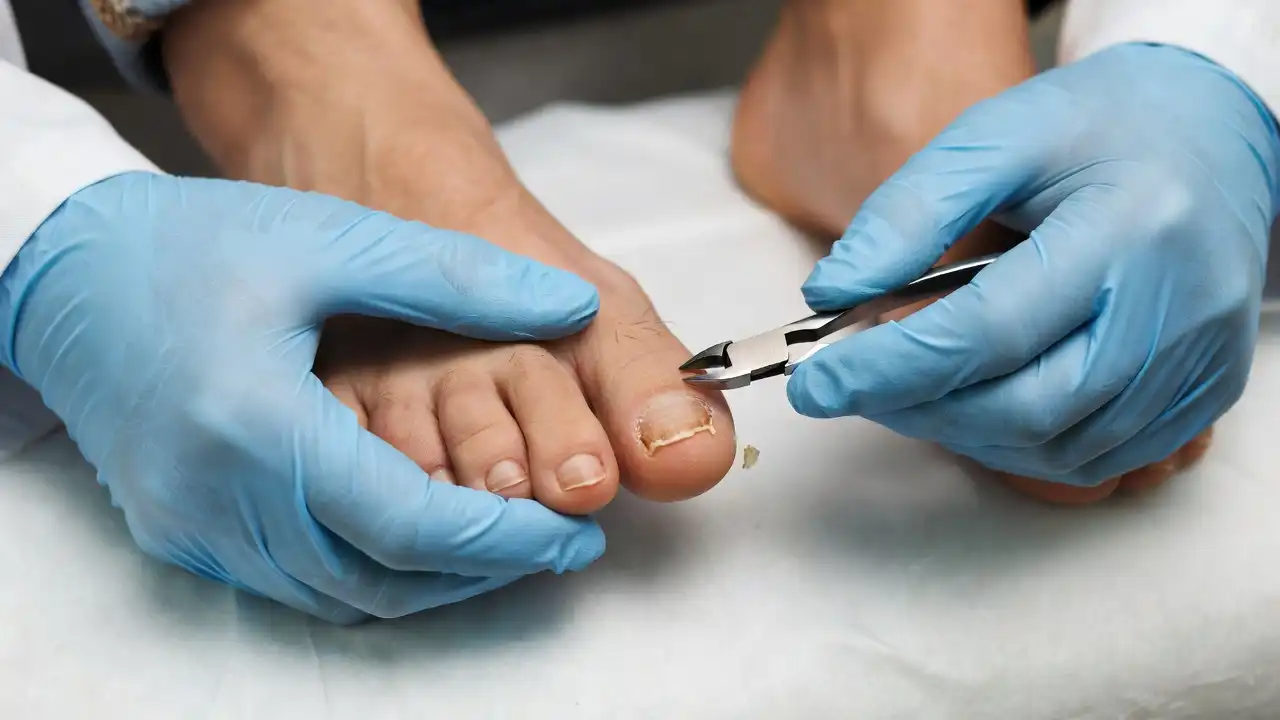
Millions of people deal with thick toenails every year and most write them off as a cosmetic annoyance.
But our team found that this common foot complaint is frequently a warning signal from your body, pointing to infections, chronic illness, or conditions that demand medical attention.
Yellow Tongue Signals About Your Health
Key Takeaways:
- Thick toenails are a symptom, not a diagnosis. They can have seven or more different possible causes, each requiring a different treatment.
- Fungal infection is the leading culprit. It is responsible for roughly 50% of all thick toenail cases.
- The psychological toll is real. The altered appearance of the nails may impact an individual’s self-esteem and confidence, leading to social and psychological challenges.
What Actually Causes Thick Toenails?
If you’ve been following health trends in dermatology and podiatry, this won’t come as a surprise: the answer is rarely simple.
Thick toenails are a common condition where the toenails become abnormally thick, often appearing yellowish or discolored, and can be caused by fungal infections, aging, trauma to the toenail, or underlying health conditions like diabetes or psoriasis.
The most common cause is toenail fungus, medically known as onychomycosis, which leads to discoloration, thickening, and brittle nails.
According to data referenced by the CDC, onychomycosis is the most prevalent nail disorder, accounting for approximately 40–50% of all nail pathologies and affecting an estimated 4–6% of the global population.
Other verified causes include:
- Repeated trauma — “Chronic trauma to the nails from running, sports, or poorly fitting shoes often results in thicker toenails over time.”
- Psoriasis — Nail psoriasis is a common inflammatory condition occurring in 80 to 90 percent of people with plaque psoriasis, often causing pain and impacting daily activities.
- Aging — As we grow older, our toenails naturally thicken.
- Genetic conditions Pachyonychia Congenita is a rare genetic disorder caused by mutations in specific genes responsible for producing structural proteins, resulting in abnormal nail growth patterns.
| Cause | Key Sign | Reversible? |
|---|---|---|
| Fungal infection | Yellow/brown crumbling edges | Yes, with treatment |
| Trauma | Single nail affected | Often permanent |
| Psoriasis | Pitting, nail-bed lifting | Manageable |
| Aging | Gradual, all nails | No |
| Diabetes-related | Discoloration, slow healing | With medical care |
Why Should You Take Thick Toenails Seriously?
Our analysis suggests that ignoring thick toenails carries real consequences particularly for people living with diabetes.
The disease is a progressive chronic recurring fungal infection affecting an estimated 35 million people in the United States, with approximately 50% of elderly over the age of 70 and 30% of diabetics infected.
According to a study published in MDPI’s Life journal, onychomycosis is a clinically relevant complication among individuals with diabetes, associated with an elevated risk of secondary fungal and bacterial infections, foot ulceration, and, in advanced cases, amputation.
Left untreated, thick toenails can become painful, so prompt treatment is key — though it’s important to note that fungal infections are difficult to cure and may require months of treatment.
Body Solid Resistance Band Means for Your Mental Health
How Do Thick Toenails Affect Mental Health?
This is the angle most medical articles miss entirely.
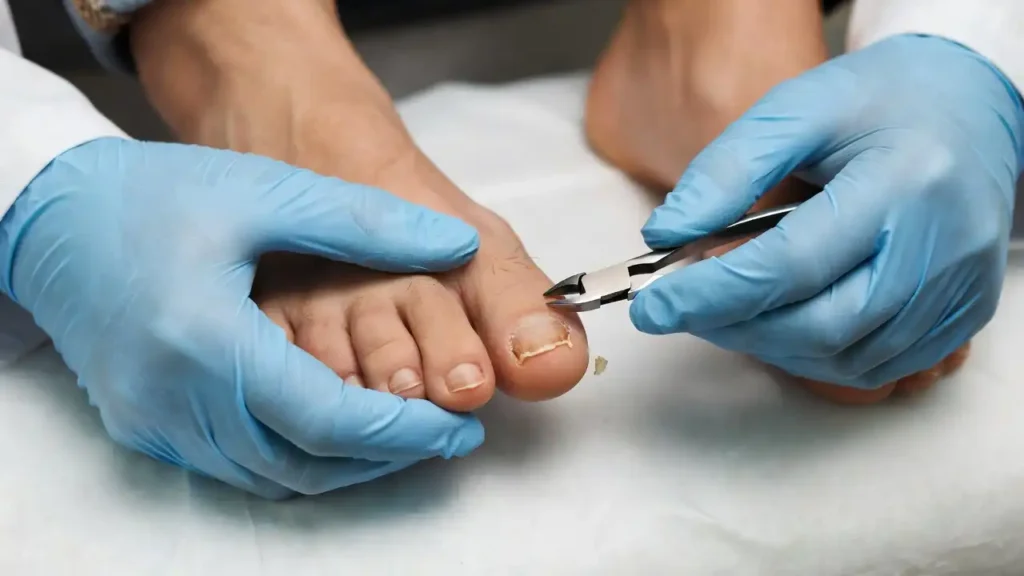
Toenail fungus, while primarily a physical condition, can have a significant impact on an individual’s mental and emotional well-being, especially when it comes to social interactions, with embarrassment and anxiety often accompanying the condition.
Industry insiders in podiatry are noting that patients frequently report avoidance behaviors driven by the appearance of their nails.
Social anxiety and avoidance behavior are among the most common impacts, often leading people to avoid pools, beaches, or lake days, feel self-conscious in yoga or martial arts classes, and dread the simple act of taking off shoes at a friend’s house.
Patients often report difficulties with nail trimming, walking, and wearing shoes comfortably, and they may experience pain and embarrassment associated with the appearance.
Thick toenails, in other words, are not just a vanity problem — they erode quality of life.
What Steps Should You Take Right Now?
If you suspect your thick toenails require attention, we recommend this evidence-based action plan:
Step 1: Observe and Document
Note which nails are affected, any discoloration, odor, or pain.
Look for yellow/brown discoloration, brittle or crumbling edges, white chalky buildup under the nail, or foul odor.
Step 2: See the Right Specialist
Dermatologists specialize in skin, hair, and nail conditions, often using a dermatoscope to examine nail changes and taking a swab or toenail clipping to diagnose the condition.
Step 3: Get an Accurate Diagnosis
Doctors can better diagnose the cause of thick yellow toenails by collecting and analyzing nail clippings, then prescribing a treatment plan.
Step 4: Follow the Prescribed Treatment
According to the CDC, oral terbinafine is considered to be the first-line treatment for confirmed onychomycosis, with a treatment course generally of 6 weeks for fingernails and 12 weeks for toenails.
Skin Tags on Vigina: What Every Woman Should Know
Step 5: Adopt Preventive Habits
- Apply foot powder to keep feet free of moisture, wear sandals or open-toed shoes to allow air movement and light exposure (which fungus cannot tolerate), and use socks with moisture-wicking material.
- Follow your podiatrist’s recommendations on how to trim your toenails properly, since poor grooming can affect toenail thickness.
Step 6: Address the Emotional Impact
Understanding that toenail fungus is a common condition can help reduce feelings of embarrassment.
Talk to your healthcare provider about both the physical and psychological dimensions.
4 Methods for Kidney Stone Removal Explained
What Does This Mean for You?
We want to be direct: thick toenails deserve the same clinical attention you’d give to any persistent health symptom.
Research from Weill Cornell Medicine confirms that nail plate thickening presents a common clinical challenge impacting patient quality of life, and current treatment options often yield unsatisfactory outcomes, are invasive, or costly.
But progress is happening.
One study found that 17.8% of participants using the topical treatment Trichostatin A were completely cured, compared to only 3.3% on placebo, suggesting it could effectively reduce or eliminate toenail fungus for some individuals.
The bottom line: thick toenails are extraordinarily common, medically significant, and increasingly treatable.
Stop hiding your feet and start asking your doctor the right questions.
More Info to Visit Ombrophobes