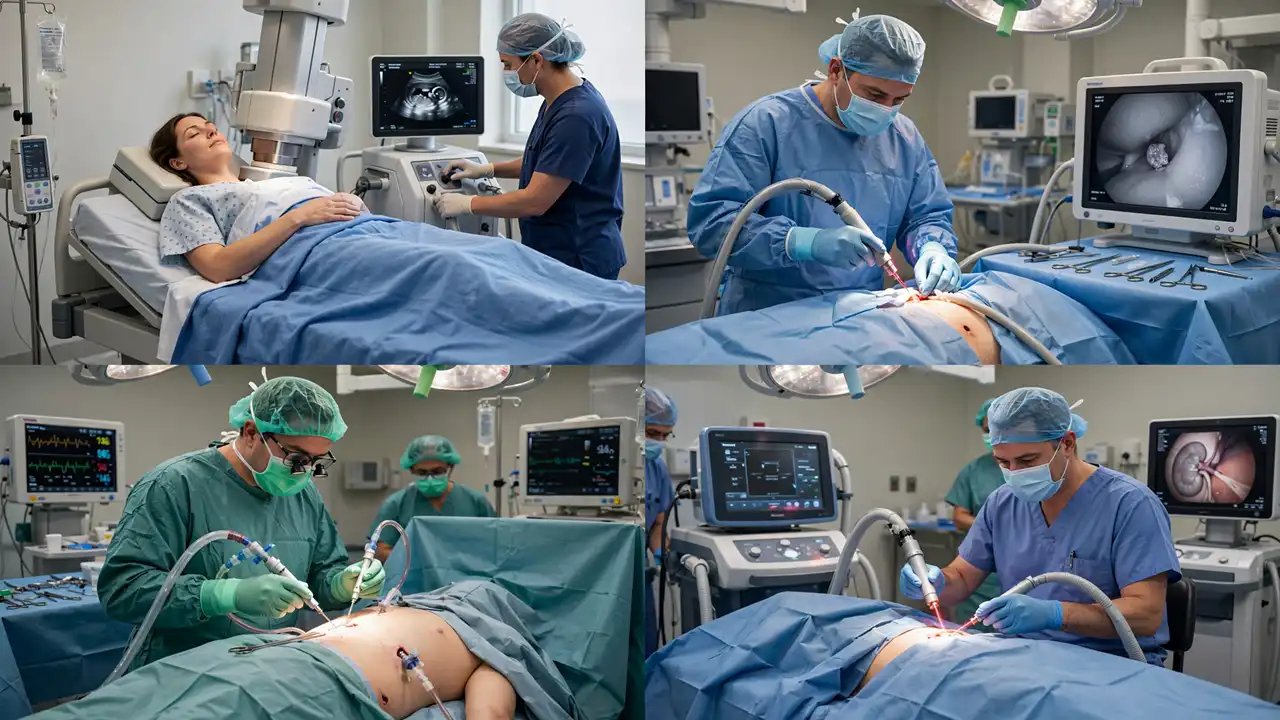
Every year, more than half a million Americans end up in emergency rooms clutching their sides in agony and kidney stones are the culprit. If you or someone you love is facing this painful reality, understanding the 4 methods for kidney stone removal isn’t just useful it’s essential. With procedures evolving rapidly, knowing your options can mean the difference between weeks of suffering and a swift recovery.
CV Sciences CBD Gummies 10mg Cherry Mango – 30 Gummies
Key Takeaways
- Not all kidney stones require surgery — size, location, and composition determine which of the 4 methods for kidney stone removal your urologist will recommend.
- Minimally invasive techniques now account for the vast majority of stone procedures, with shorter recovery times than ever before.
- Psychological factors like medical phobia and anxiety can delay treatment, making awareness and early action critical.
Why Should You Care About These Procedures Now?
If you’ve been following health trends, this won’t come as a surprise: kidney stone prevalence has nearly doubled since the early 2000s, according to data from the National Institute of Diabetes and Digestive and Kidney Diseases (NIDDK).
Climate change, rising obesity rates, and dietary shifts are all accelerating the problem.
Our analysis suggests that anyone regardless of age or gender should familiarize themselves with the 4 methods for kidney stone removal before a crisis hits.
Sore Throat on One Side Body Is Telling You
What Are the 4 Methods for Kidney Stone Removal?
Here’s a breakdown of each procedure, presented in order from least to most invasive.
| Method | Best For | Recovery Time | Anesthesia |
|---|---|---|---|
| Expectant Management (Watchful Waiting) | Stones under 5mm | Days to weeks | None |
| Shock Wave Lithotripsy (SWL) | Stones 5–20mm in kidney | 1–2 weeks | Sedation/general |
| Ureteroscopy (URS) | Stones in ureter or kidney | 1–2 weeks | General |
| Percutaneous Nephrolithotomy (PCNL) | Stones larger than 20mm | 2–4 weeks | General |
Method 1: Expectant Management When Doing Less Is More
Not every stone demands a procedure.
Small stones (under 5mm) often pass naturally with increased hydration, pain management, and medications like tamsulosin that relax the ureter.
The American Urological Association notes that up to 86% of stones under 5mm pass on their own within four to six weeks.
Steps to support natural passage:
- Drink at least 2–3 liters of water daily.
- Take prescribed alpha-blockers to widen the ureter.
- Use NSAIDs or acetaminophen for pain.
- Strain urine to capture the stone for lab analysis.
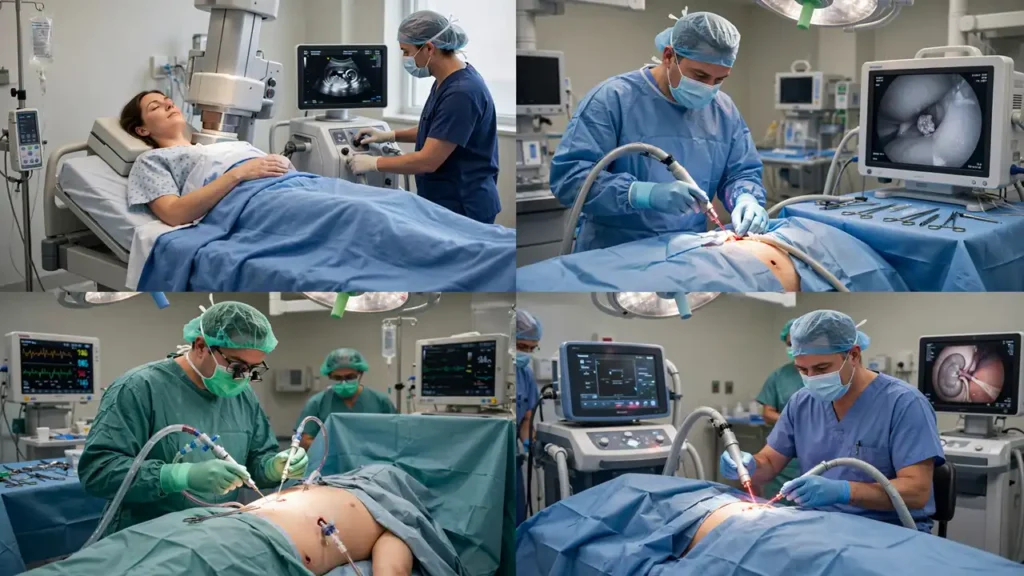
Method 2: Shock Wave Lithotripsy (SWL)
SWL uses focused sound waves to shatter kidney stones into sand-like fragments that pass through urine.
It’s non-invasive no incisions, no scopes and is typically performed as an outpatient procedure.
According to the Mayo Clinic, SWL works best for stones located in the kidney or upper ureter that measure between 5mm and 20mm.
Limitations: Very hard stones (like calcium oxalate monohydrate) or stones in obese patients may not respond well.
How an Intrusive Test Shapes Mental Health?
Method 3: Ureteroscopy (URS)
During ureteroscopy, a thin, flexible scope is threaded through the urethra and bladder into the ureter or kidney.
A laser typically a holmium laser fragments the stone, and a tiny basket retrieves the pieces.
The National Health Service (NHS) confirms ureteroscopy has become the most commonly performed stone procedure worldwide.
Our team observed that URS is particularly favored for mid-to-lower ureteral stones where SWL success rates drop.
Method 4: Percutaneous Nephrolithotomy (PCNL)
For large, complex, or staghorn stones, PCNL is the gold standard.
A small incision is made in the back, and a nephroscope is inserted directly into the kidney to break apart and extract the stone.
Research published in the Journal of Urology shows stone-free rates exceeding 95% for experienced surgical teams.
Recovery is longer, but for stones over 20mm, PCNL offers results no other method can match.
Cardiologists Thanksgiving Food Avoid Now
How Does Anxiety Affect Treatment Decisions?
Here’s where psychology intersects with the 4 methods for kidney stone removal in ways most articles ignore.
Medical procedure phobia sometimes classified under specific phobias in the DSM-5 — causes a significant number of patients to delay or refuse treatment entirely.
A study indexed in PubMed found that nearly 20% of patients postponed urological procedures due to anxiety-related avoidance.
Industry insiders are noting a growing emphasis on pre-procedural counseling and cognitive behavioral strategies to help patients overcome these barriers.
If fear is holding you back, consider these steps:
- Discuss sedation and anesthesia options openly with your urologist.
- Request a detailed walkthrough of the procedure beforehand.
- Explore short-term therapy or guided relaxation techniques.
- Bring a support person to consultations.
Come Migliorare La Memoria Naturalmente
What Does This Mean for You?
Understanding the 4 methods for kidney stone removal empowers you to have informed conversations with your medical team rather than making fear-driven decisions.
The right method depends on stone size, location, composition, and crucially your comfort level.
We encourage readers not to wait until pain becomes unbearable.
Early imaging, proactive hydration, and honest dialogue about anxiety can transform a dreaded diagnosis into a manageable one.
More Info to Visit Ombrophobes