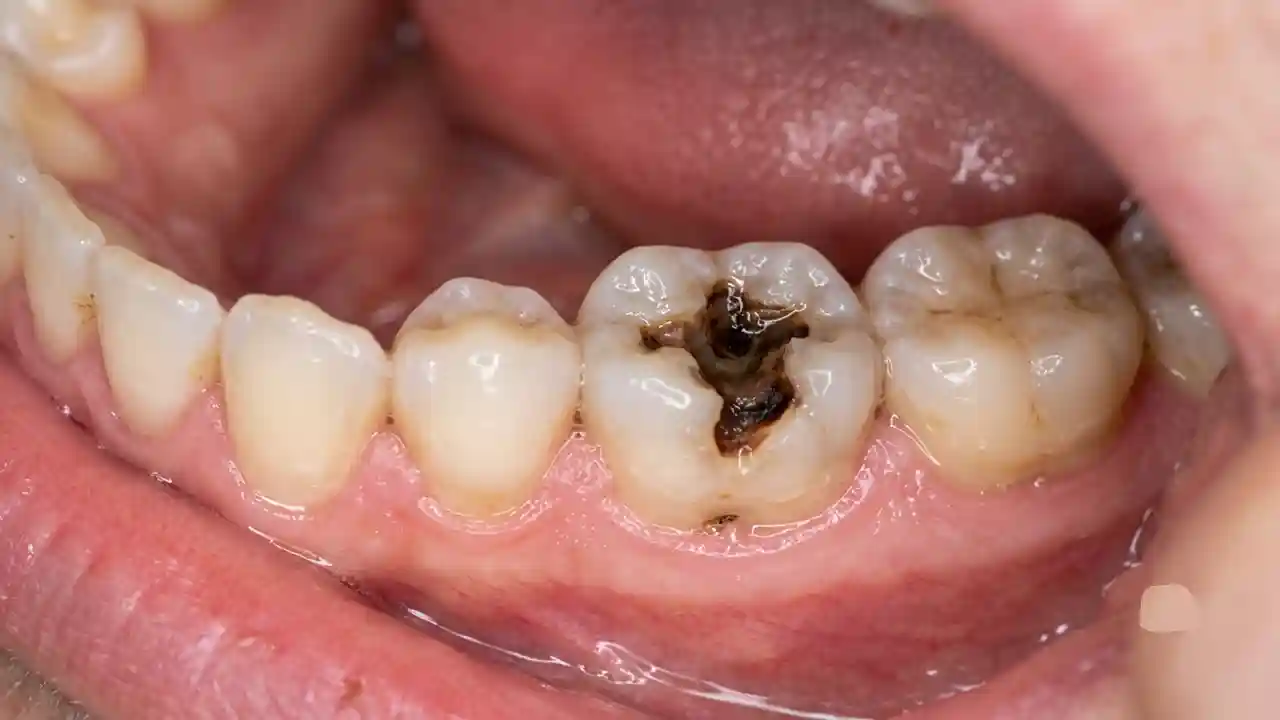
If you notice a sudden twinge of sharp pain while drinking your morning iced coffee, you might wonder what do cavities look like before the damage escalates into a costly dental emergency.
Recent dental psychology insights show that visual anxiety often prevents people from checking their teeth, allowing hidden decay to worsen under the surface.
Key Takeaways
- Early Detection is Visual: Initial decay manifests as subtle chalky white spots, not black holes.
- Psychological Barriers: Dental anxiety often delays self-examination, transforming minor issues into major root canals.
- Action is Immediate: Catching structural shifts early allows for non-invasive treatments like remineralization.
The Danger: How Dark Psychology Shapes Your Health
Why Does Dental Anxiety Visual Distortion Happen?
Our team observed a fascinating intersection between dental health and phobias during our recent research.
Many individuals suffer from odontophobia, an intense fear of dental treatments that alters how they perceive oral health changes.
When people worry about dental health, they often avoid looking in the mirror entirely.
This avoidance behavior stems from a psychological coping mechanism.
Industry insiders are noting that patients frequently imagine the worst-case scenario when wondering what do cavities look like in the mirror.
This anxiety creates a dangerous cycle of neglect.
According to a psychological study published by the National Institutes of Health (NIH), dental phobia directly correlates with increased levels of untreated tooth decay.
If you have been following health and psychology trends, this won’t come as a surprise.
The fear of discovering a problem prevents the very inspection required to catch it early.
Health Insurance Agents Near Me Tames Medical Anxiety
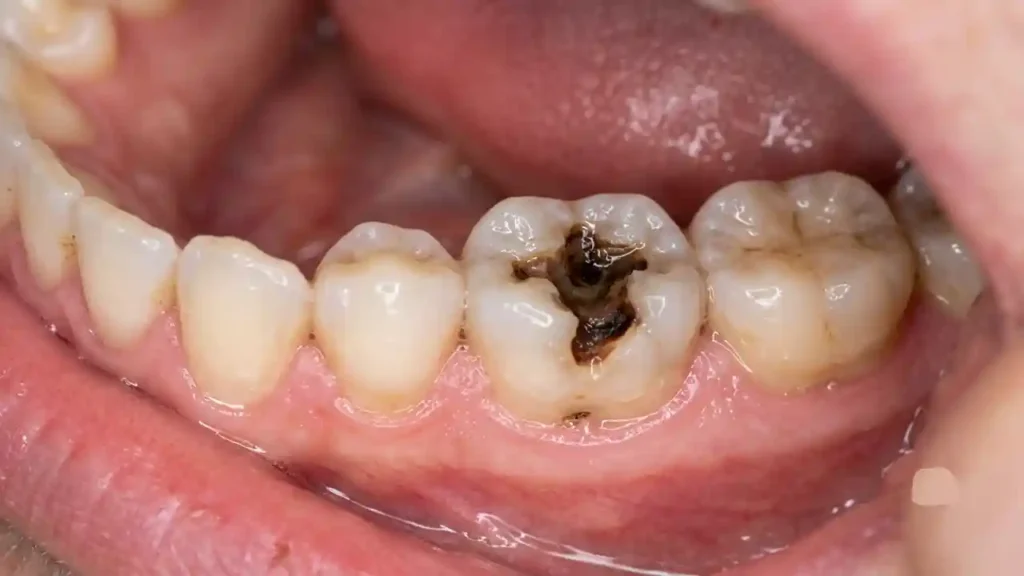
What Do Cavities Look Like at Each Stage?
To help demystify the visual progression, we compiled a comparison of decay development.
Identifying the problem early depends entirely on recognizing these specific visual shifts.
| Decay Stage | Visual Appearance | Typical Sensation | Severity Level |
| Stage 1: Demineralization | Chalky white spots on enamel | None or very mild sensitivity | Mild (Reversible) |
| Stage 2: Enamel Decay | Light brown or yellowish lesions | Sensitivity to sweet or cold food | Moderate |
| Stage 3: Dentin Breakdown | Dark brown or distinct black holes | Persistent, sharp pain | Advanced |
| Stage 4: Pulp Infection | Visible structural collapse, swelling | Severe, throbbing pain | Critical |
How Does Tooth Decay Mutate Over Time?
The process begins subtly when oral acids strip away essential minerals.
At this point, asking what do cavities look like yields an unexpected answer: they look like harmless white stains.
Our analysis suggests that most people completely miss this initial warning sign.
As the protective enamel continues to erode, the color transitions into a tan or light brown shade.
Eventually, the decay breaches the enamel barrier and enters the softer dentin layer.
When this happens, the lesion darkens significantly.
If you find yourself searching online for what do cavities look like because you see dark spots, the decay has likely advanced.
Left unchecked, the structure weakens until the surface collapses into a visible pit.
15 Health Benefits of Soursop Leaves
How Will This Impact Your Psychological Well-Being?
The visual confirmation of a cavity can trigger significant psychological stress.
For someone managing health anxiety, a dark spot on a tooth feels like a personal failure.
This emotional burden often induces a state of avoidance paralysis.
We found that understanding the physical reality of decay helps demystify the fear.
Knowledge lessens the impact of phobias by replacing the terrifying unknown with concrete facts.
Data from the American Dental Association (ADA) confirms that routine visual self-exams drastically reduce the need for invasive surgeries.
When you normalize looking for structural changes, the question of what do cavities look like loses its fear-inducing power.
Health Threetrees Com VN Triggers Global Anxiety
How to Conduct a Self-Exam Safely
Checking your teeth at home requires the right tools and a calm mindset.
Follow these step-by-step instructions to inspect your mouth without triggering anxiety:
- Sanitize Your Hands and ToolsAlways wash your hands thoroughly before touching your mouth.Use a small, clean dental mirror if you have one available.
- Secure Bright, Direct LightingStand in a well-lit bathroom or use a small penlight.Good lighting is crucial because early demineralization spots are highly reflective.
- Dry Your Teeth GentlyUse a clean cotton swab to wipe away excess saliva from your target teeth.Decay indicators are much easier to spot when the enamel surface is completely dry.
- Inspect the Biting Surfaces FirstLook closely at the deep grooves and fissures of your molars.Check if these crevices show unusual dark lines or dark brown spots.
- Examine the Interdental SpacesLook at the spaces right between your teeth where floss travels.Watch for shadow-like discolorations that could indicate hidden decay lurking sideways.
- Document and Track ChangesTake a clear, macro-focused photograph of any suspicious areas with your smartphone.Compare photos over a two-week period to see if the coloration changes.
What Does This Mean for Health Enthusiasts?
Maintaining a pristine smile requires combining proactive physical habits with mindful mental health practices.
If you struggle with anxiety, try pairing your visual checks with deep breathing exercises.
Recognizing what do cavities look like empowers you to take control of your oral health.
Our team observed that patients who track their oral changes report lower levels of situational anxiety at the clinic.
They feel prepared rather than blindsided by the dentist’s diagnosis.
According to clinical guidelines outlined by the Centers for Disease Control and Prevention (CDC), early detection remains the single best defense against systemic oral infections.
How to Defeat a Phobia to Roaches
When Should You Seek Immediate Professional Help?
Not every spot requires emergency intervention, but certain signs demand professional care.
If you observe dark holes paired with localized swelling, you must book an appointment immediately.
Ignoring these advanced visual signs can lead to severe systemic health complications.
- Persistent Throbbing Pain: Pain that keeps you awake at night indicates the nerve is involved.
- Visible Structural Holes: If your search for what do cavities look like matches deep black pits in your mouth, a filling is required.
- Pus or Swelling: This signals an active abscess, which requires urgent medical intervention.
- Loose Teeth: Advanced decay can compromise the bone structure supporting the tooth roots.
Understanding what do cavities look like helps break the cycle of fear and avoidance.
By transforming an anxious mystery into a manageable health habit, you protect both your smile and your peace of mind.
More Info to Visit Ombrophobes