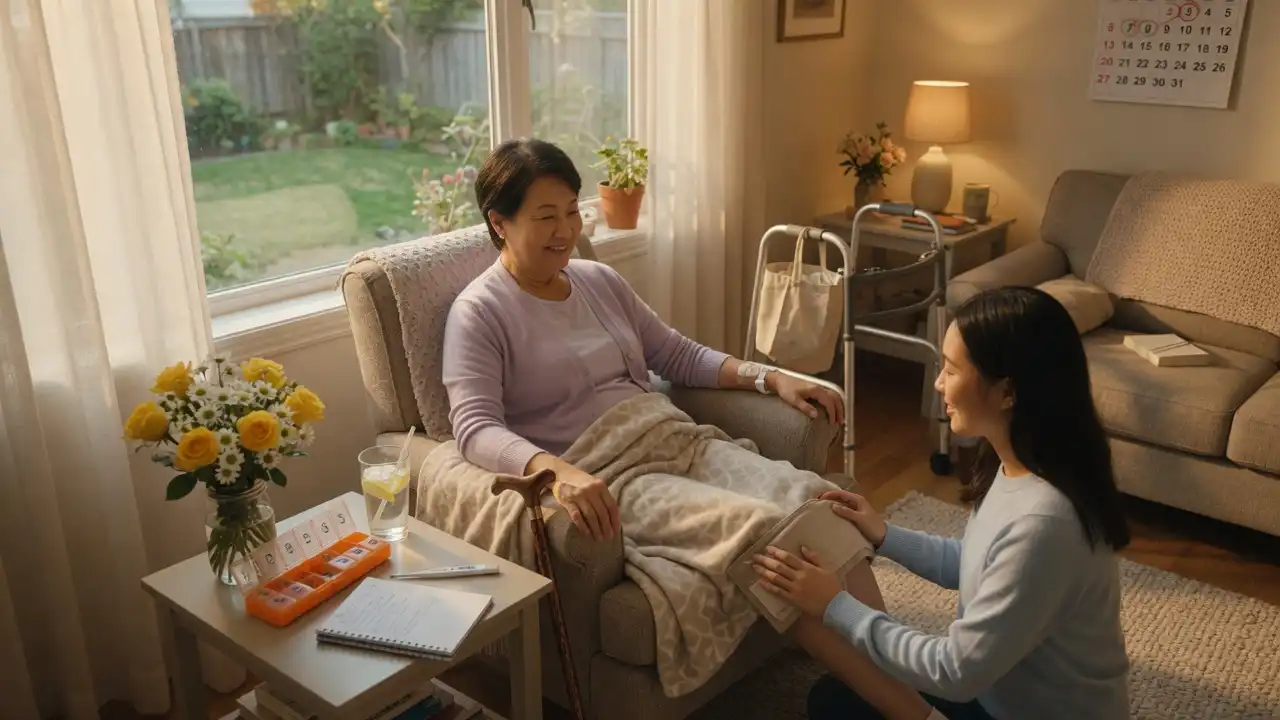
Here’s what our analysis suggests: hospitals focus intensely on acute treatment but frequently rush the discharge process.
Patients receive thick packets of paperwork, a list of medications, and a handshake.
Then they’re on their own.
The World Health Organization has flagged care transitions as a critical patient safety concern globally.
The gap between hospital bed and home is where recovery stalls or collapses entirely.
What makes this worse is the psychological dimension that rarely gets addressed.
Big Toe Joint Pain Signals About Your Health
How Do Phobias and Anxiety Sabotage Recovery?
Industry insiders are noting a growing body of evidence linking mental health to physical recovery outcomes.
A 2023 study published in The BMJ found that patients with untreated anxiety after discharge were 40% more likely to experience complications.
Some patients develop nosocomephobia a genuine fear of hospitals making follow-up appointments feel impossible.
Others experience post-discharge PTSD, particularly after ICU stays.
These psychological barriers don’t just feel bad.
They actively prevent healing.
Effective post-hospital care must account for the mind, not just the body.
| Psychological Barrier | Impact on Recovery | Frequency Among Discharged Patients |
|---|---|---|
| Generalized anxiety | Medication non-adherence, sleep disruption | 25–35% |
| Nosocomephobia (hospital phobia) | Missed follow-ups, delayed emergency visits | 10–15% |
| Post-ICU PTSD | Chronic stress response, immune suppression | 20–30% of ICU survivors |
| Depression | Reduced motivation, poor nutrition | 30–40% |
What Does a Strong Post-Hospital Care Plan Actually Look Like?
We found that the most successful recovery plans share a common structure.
Here’s a step-by-step framework based on best practices from the American Hospital Association:
Step-by-Step Post-Hospital Care Transition Plan
- Request a discharge summary before leaving.
Ask your care team for a plain-language document listing diagnoses, medications, restrictions, and warning signs. - Schedule all follow-up appointments before you go home.
Don’t leave with a vague instruction to “call your doctor next week.” Book it now. - Conduct a medication reconciliation.
Compare your new prescriptions against what you took before hospitalization. The Institute for Healthcare Improvement calls this one of the single most effective safety interventions. - Arrange a psychological check-in within the first two weeks.
Whether it’s a therapist, counselor, or even a structured telehealth visit, early mental health screening catches problems before they spiral. - Identify a care advocate.
This could be a family member, friend, or professional patient navigator. Their job is to ask questions you might forget and hold the system accountable. - Set up a 48-hour post-discharge phone call.
Many hospitals now offer this. If yours doesn’t, request it. Research from Johns Hopkins Medicine shows a simple follow-up call dramatically reduces confusion and readmission. - Monitor for red flags daily for the first 14 days.
Fever, confusion, worsening pain, new swelling, or sudden mood changes all warrant immediate contact with your provider.
Pain Behind Ear Body Is Telling You
How Will This Impact You?
If you or someone you love is facing discharge, understand this: post-hospital care is not a passive phase.
It is an active, structured process that demands attention to both physical and psychological needs.
The patients who recover best aren’t necessarily the healthiest.
They’re the ones with the strongest post-hospital care systems around them.
Our team observed a consistent pattern across the research: when psychological support is woven into post-hospital care plans, outcomes improve across virtually every metric fewer readmissions, faster functional recovery, and significantly lower anxiety scores.
More Info to Visit Ombrophobes